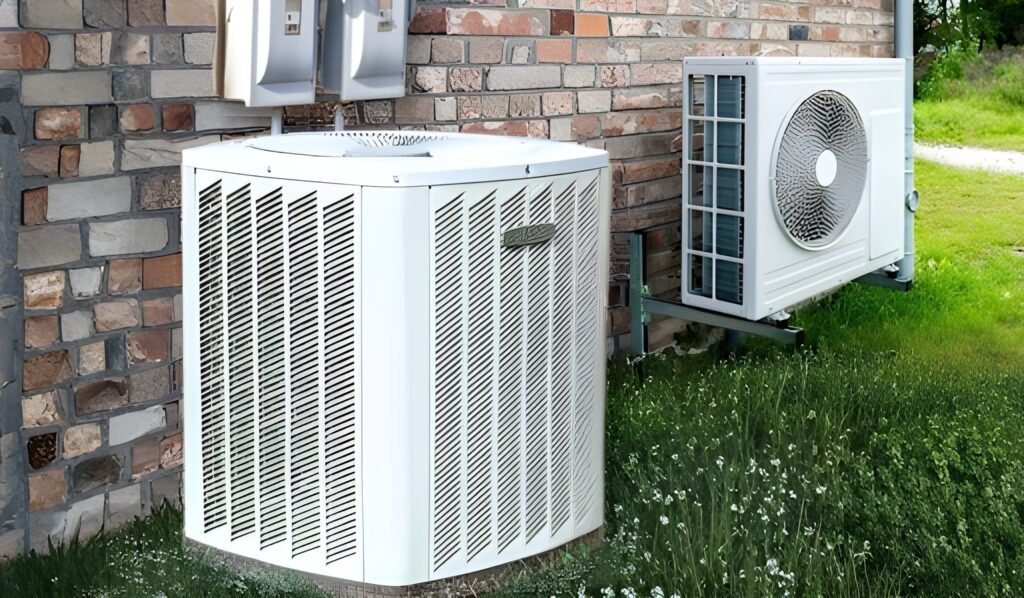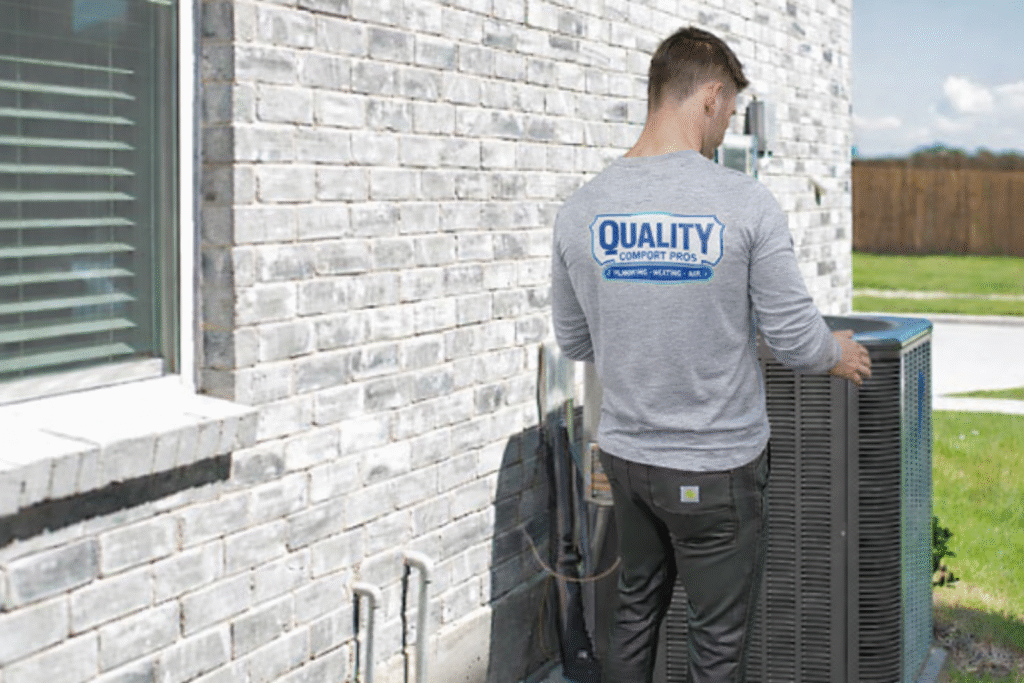
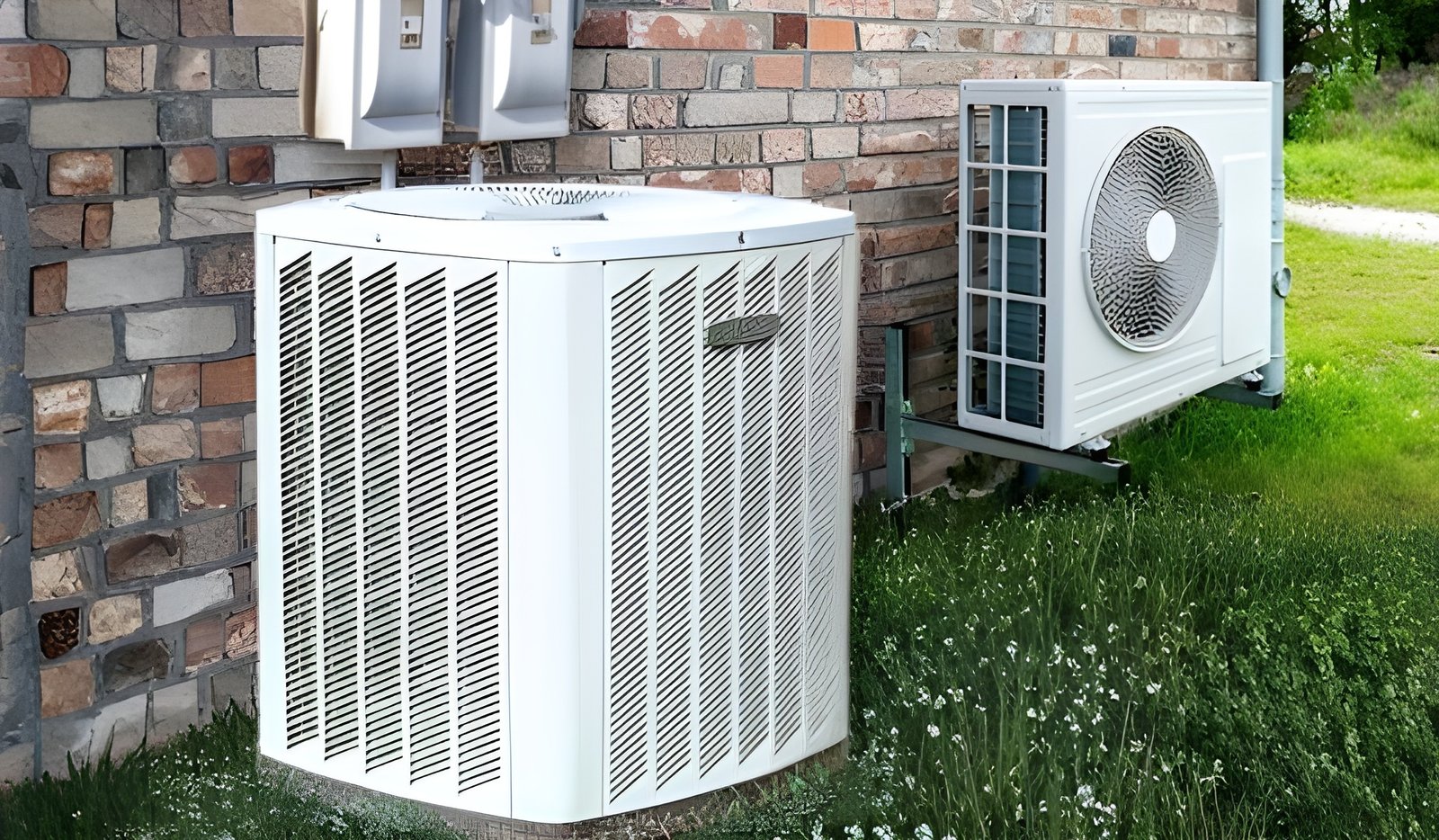
Understanding the heat pump vs HVAC debate can feel overwhelming, especially for Northern Michigan homeowners who experience significant temperature swings. That’s precisely where the comparison gets interesting. When people ask about this difference, they’re usually trying to understand how each system works, how much it costs to operate, and which option makes the most sense for their home.
Before diving deeper, it helps to know what each system actually does. Once you clearly see the difference between a heat pump and HVAC, choosing the right system becomes much easier. If you’re planning an upgrade or trying to avoid costly mistakes down the road, now’s a good time to step back and see which system actually fits your home, your climate, and your long-term budget.
Let’s break it down so you can make a confident choice from the start.
How Each System Works: Heat Pump vs HVAC System?
Both a heat pump and an HVAC system keep a house comfortable, but they operate differently. That disparity in how they operate manifests itself in real-world issues such as higher bills, uneven temperatures, and systems that struggle when the weather changes.
Heat Pump
A heat pump doesn’t burn fuel. It runs on electricity and uses refrigerant to move heat from one place to another. Its sole purpose is to transfer heat rather than generate it, keeping the process efficient and straightforward. That basic design is what sets it apart from combustion-based systems.
Here’s how it works:
- In winter, it pulls heat from outdoor air and transfers it inside.
- In summer, it reverses the process and sends heat from your home back outdoors.
- It functions as both a heater and an air conditioner.
This process makes heat pumps one of the most energy-efficient heating systems available. They transfer heat rather than generate it, reducing utility costs over time. Thanks to sophisticated compressors and cold-weather engineering, modern units operate reliably in cold climates. For deeper winter performance, many Northern Michigan homeowners use hybrid systems that combine a heat pump and a furnace.
HVAC System (Furnace + AC)
A standard HVAC system works differently. It generates heat rather than transferring it, relying on fuel or electricity to provide the warmth a home needs. As a result, it consumes more energy to operate than a heat pump.
Here’s the breakdown:
- The furnace uses gas or electric coils to generate heat.
- Heated air moves through ducts to warm the home.
- In summer, the air conditioner removes heat and humidity and sends cool air inside.
- These two systems share ductwork but operate separately.
This is where the heat pump vs furnace conversation gains traction. Furnaces deliver hotter air. Heat pumps deliver steadier, gentler heat. One blasts warmth quickly. The other saves energy while keeping temperatures more consistent.
What Are The Benefits of a Heat Pump System?
A heat pump offers a different level of comfort and efficiency than a standard HVAC system. Its ability to move heat rather than generate it gives homeowners a clear advantage in energy savings, operating costs, and day-to-day comfort. It runs quietly, maintains steadier temperatures, and avoids the constant cycling that traditional systems rely on. For many homes, these advantages add up to a system that feels smoother, smarter, and more efficient overall.
Lower Monthly Energy Costs
Heat pumps excel in efficiency. Because they move heat rather than generate it, homeowners see lower utility bills. This is a significant advantage for anyone looking to reduce energy use, and the results improve even further when supported by routine HVAC maintenance tips that help the system operate at peak efficiency.
Year-Round Comfort
One system handles heating and cooling. No switching between furnace and AC. No juggling multiple units. It’s simple, clean, and practical. That convenience alone is one of the biggest heat pump benefits homeowners talk about.
Eco-Friendly Operation
Heat pumps emit fewer emissions because they run on electricity instead of fuel. For this reason, heat pumps are frequently preferred by those seeking to live more sustainably or considering future solar upgrades.
Smooth, Consistent Heat
Heat pumps provide constant warmth rather than blasting hot air in bursts. The rooms are well-balanced. Drafts seem diminished. Overall, the house feels more under control. Instead of a stop-and-start pattern, it produces a comfortable, stable pattern.
What Are The Traditional Advantages Of an HVAC System?
An HVAC system still holds substantial advantages, especially for homes that need dependable, high-output heating. Because it generates heat rather than transferring it, it can deliver powerful warmth even when temperatures drop sharply. Many homeowners appreciate its straightforward design, wide availability, and compatibility with existing ductwork. For properties that demand strong, reliable heating performance, a traditional HVAC setup remains a practical and proven choice.
Strong Winter Heating Power
The winters in northern Michigan are severe. Furnaces are well-suited to extreme cold snaps because they generate hotter air than heat pumps. For this reason alone, many homes continue to favor the conventional configuration.
Long Lifespan
Furnaces tend to last longer than heat pumps. They run fewer hours per year, which reduces wear and tear. With fewer moving components in constant operation, they often maintain performance for a decade or more beyond a heat pump’s typical lifespan. This makes them a steady, long-term option for homeowners who prioritize durability.
Fewer Temperature Limitations
Even though modern heat pumps can handle winter conditions, furnaces remain the top choice when temperatures drop into the deep negatives. Their fuel-based operation delivers consistent, reliable heat regardless of outdoor conditions. Homeowners can rest easy knowing that output won’t drop during severe cold spells.
Lower Upfront Cost
An HVAC system may cost less to install, depending on the equipment selection and the home layout. Many homes already have compatible ductwork, reducing installation time and material costs. For homeowners on a tight budget, the lower starting price can make a furnace-based system more accessible.
Final Thoughts!
Ultimately, the heat pump vs HVAC comparison comes down to which system best suits the home’s condition. Heat pumps excel in efficiency, year-round performance, and long-term comfort. Traditional HVAC systems perform well in extreme cold and often cost less up front. Both can serve Northern Michigan homes well, especially when paired with smart maintenance and proper installation.
When the job demands precision instead of guesswork, Quality Comfort Pros, Plumbing, Heating and Air steps in. Our team rises above every other HVAC & plumbing company in Northern Michigan because they treat comfort like a craft, not a checkbox. They listen. They measure. If you want clarity, honest answers, and a setup built for Michigan living, contact Quality Comfort Pros, Plumbing, Heating and Air today. Visit our website, send a message, and get the comfort upgrade your home deserves. No pressure. Just real solutions from experts who care about doing the job right.